




Communicating Performance
Key Actions
i. Communicate in form and frequency to suit all audiences
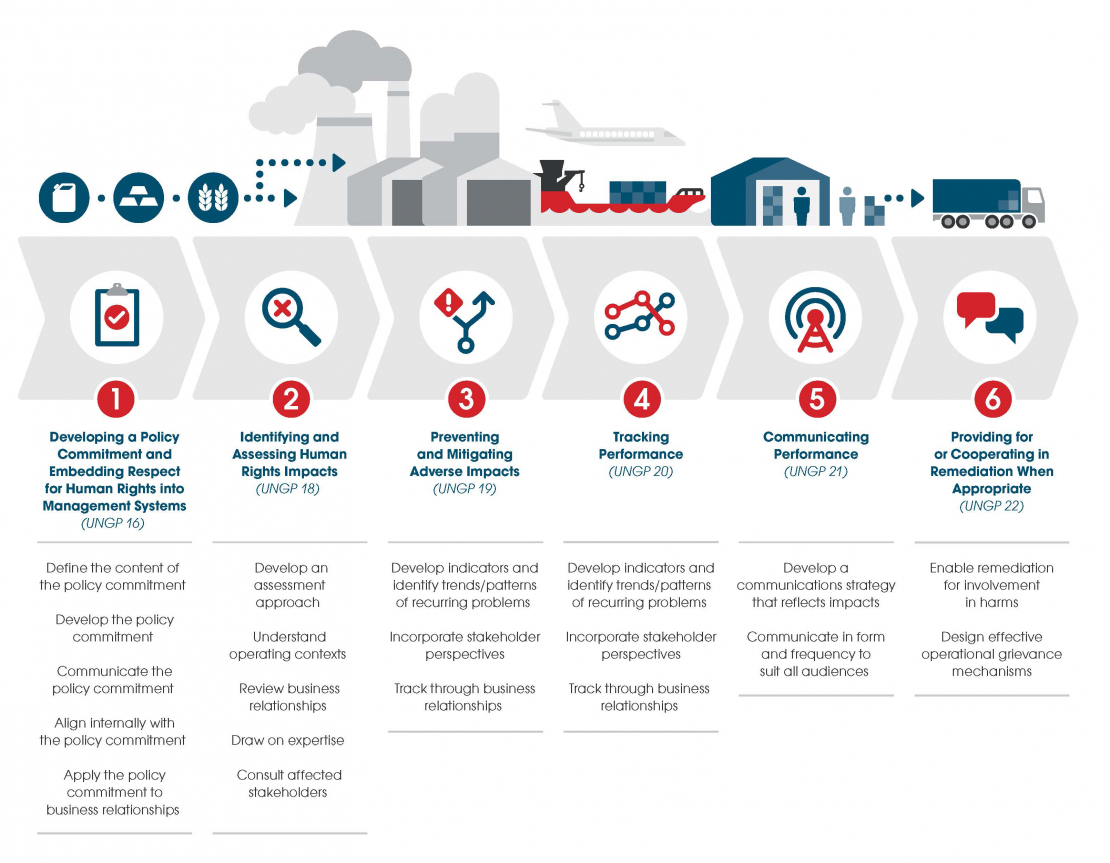
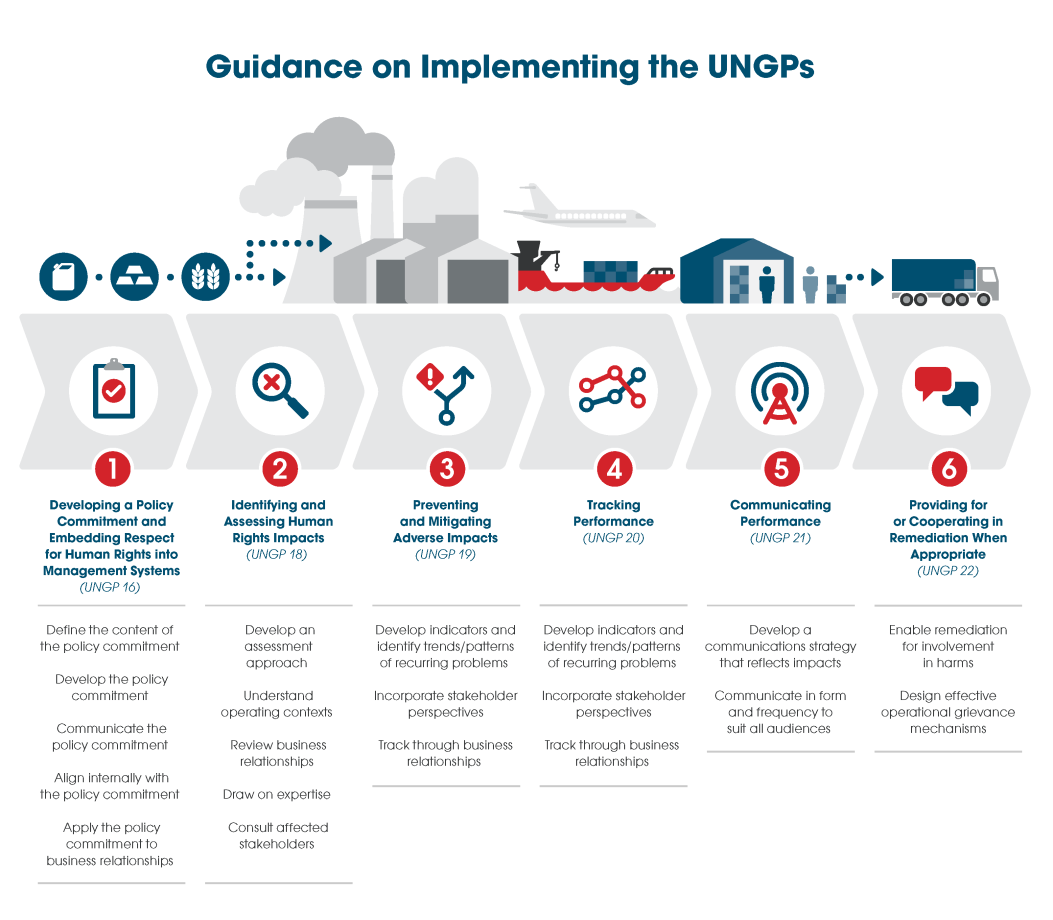
UNGP 21 states that communication should be of a form and frequency that reflects an enterprise’s human rights impacts and that are accessible to its intended audiences.
It is important to stress that the UNGPs take a broad approach to how a company should communicate about its human rights performance. The value of face-to-face dialogue between company representatives and all stakeholders is listed alongside more traditional notions of communication such as formal corporate reporting.
Communicating in ways that are relevant, accurate, timely and appropriate to different stakeholders involves considerable effort on the part of any company. This is most notable for companies who need to engage directly with local communities affected by their operations. Doing so effectively requires a commitment to regular exchange of information and ongoing meaningful dialogue in ways that do not pose risk to individuals:
Communication and Confidentiality
Some kinds of information about how human rights impacts are being addressed could pose risks to affected stakeholders or personnel. This may be because they would reveal, by implication, the identity either of a complainant or of individuals responsible for actions that are judged harmful, making them the potential targets of retaliation.
Publicising information about discussions with a Government, police or security forces aimed at halting or preventing harmful action against individuals might jeopardise that process. However, care should be taken that blanket assumptions about such risks do not become an easy justification to avoid sharing information that can legitimately be made public.
The legitimate requirements of commercial confidentiality would typically extend to information crucial to negotiations regarding a significant business transaction, for the duration of those negotiations. They would also include information legally protected against disclosure to third parties.
With respect to corporate reporting, the Commentary to UNGP 21 notes that this field has evolved in recent years, from reliance on traditional annual reports and corporate responsibility/sustainability reports to greater use of periodic online updates as well as integrated reports containing financial and non-financial information. The point is that no one size fits all but efforts to communicate should be ongoing, easily accessible, provide sufficient information to evaluate the adequacy of a company’s due diligence efforts response and address stakeholder questions and concerns (see OECD Due Diligence Guidance on Responsible Business Conduct, p33).
(The Extractive Industries Transparency Initiative (EITI) has published reporting guidelines for companies buying oil, gas and minerals from governments. These reporting guidelines are for use by companies buying oil, gas and minerals from governments to inform their disclosures on payments to governments in their own company reports.)
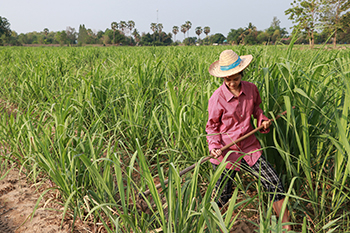
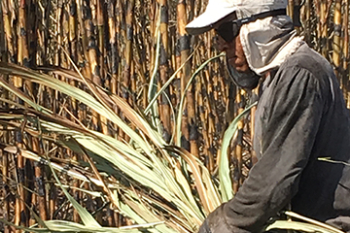
Sugar farming
UNGP 21 Commentary
Communication can take a variety of forms, including:
- in-person meetings with stakeholders;
- online dialogues;
- consultations with affected stakeholders;
- formal public reports.