







Purpose
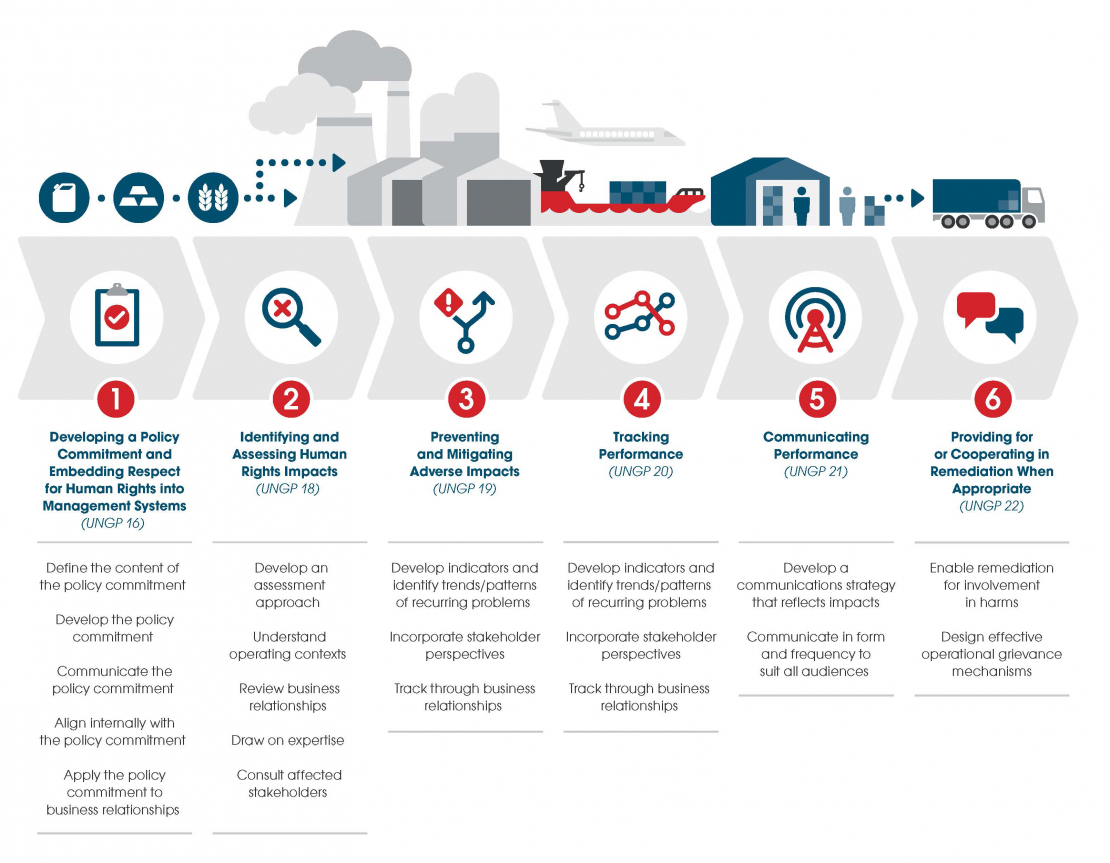
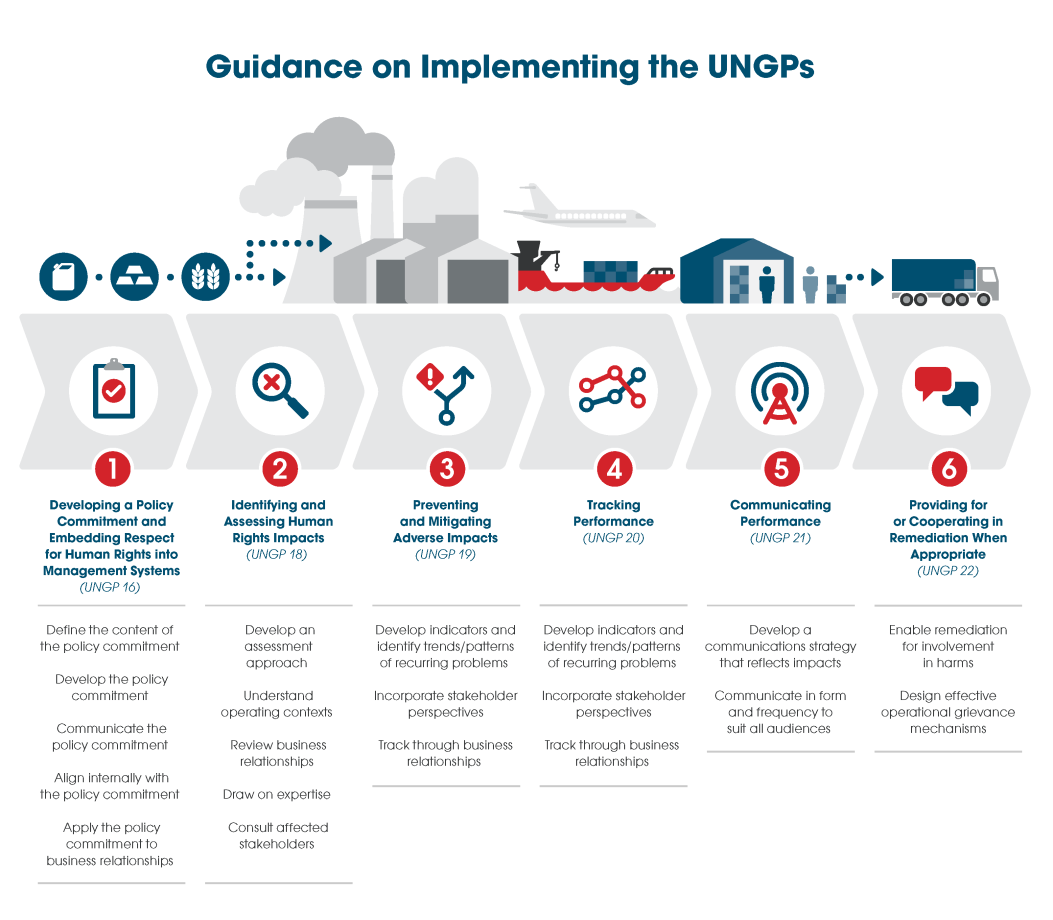
All companies are expected to explain to their stakeholders how they are putting human rights commitments into practice. Communicating accurately and transparently about these actions is a vital part of effective human rights due diligence consistent with the UNGPs.
Communicating human rights performance involves disclosing clear and complete information to a variety of stakeholders including workers, local communities where the company may do business and other groups that may have particular interests in the company’s activities, as well as to governments and wider society as relevant.
A company will be better placed to build trust in its human rights due diligence efforts if it communicates openly not only about achievements and progress but also about the challenges it faces in responding to adverse impacts and how it is seeking to address such issues.
Communication may take many forms and can bring multiple benefits for companies. These benefits include providing an opportunity for constructive dialogue with a range of stakeholders, demonstrating transparency and goodwill as a partner and gaining wider legitimacy in society. It may also be appropriate for communication to take place across a number of different channels, for example annual or sustainability reports, company websites, at the enterprises’ premises, direct dialogue with stakeholders etc. It is important that the information is published in a way that is easily accessible, and when relevant, in the local language or languages.
UNGP 21 Principle
...In all instances, communications should:
- be of a form and frequency that reflect an enterprise’s human rights impacts and that are accessible to its intended audiences;
- provide information that is sufficient to evaluate the adequacy of an enterprise’s response to the particular human rights impact involved;
- in turn not pose risks to affected stakeholders, personnel or to legitimate requirements of commercial confidentiality.
Companies should be aware that the UNGPs highlight the role of States in providing guidance to business enterprises on how to respect human rights throughout their operations, including with respect to communication (UNGP 3(c) - see box). Soon after the UNGPs were endorsed, some governments including Switzerland engaged with stakeholders to develop National Action Plans (NAPs) as a means to implement the UNGPs.
States encourage reporting and increasingly require reporting on corporate social responsibility, including human rights performance (see 'Evolving State Expectations on Company Due Diligence and Public Reporting' in Additional Resources section for examples). Corporate transparency and public reporting requirements such as disclosing lists of suppliers (where possible), manufacturing locations and payments to governments are also relevant in terms of respect for human rights and due diligence expectations as set out in the UNGPs. The UNGPs also encourage States to ensure that financial reporting requirements clarify that human rights impacts in some instances may be “material” or “significant” to the economic performance of companies (UNGP 3 commentary - see box).
UNGP 21 Principle
In order to account for how they address their human rights impacts, business enterprises should be prepared to communicate this externally, particularly when concerns are raised by or on behalf of affected stakeholders. Business enterprises whose operations or operating contexts pose risks of severe human rights impacts should report formally on how they address them. In all instances, communications should:
- (a) Be of a form and frequency that reflect an enterprise’s human rights impacts and that are accessible to its intended audiences;
- (b) Provide information that is sufficient to evaluate the adequacy of an enterprise’s response to the particular human rights impact involved;
- (c) In turn not pose risks to affected stakeholders, personnel or to legitimate requirements of commercial confidentiality.
Key Actions

Freight terminal

UNGP 3 (c) Principle
In meeting their duty to protect, States should..:
(c) Provide effective guidance to business enterprises on how to respect human rights throughout their operations..
UNGP 3 Commentary
...Financial reporting requirements should clarify that human rights impacts in some instances may be “material” or “significant” to the economic performance of the business enterprise.
UNGP 21 Commentary
Communication can take a variety of forms, including:
- in-person meetings with stakeholders;
- online dialogues;
- consultations with affected stakeholders;
- formal public reports.