







Purpose
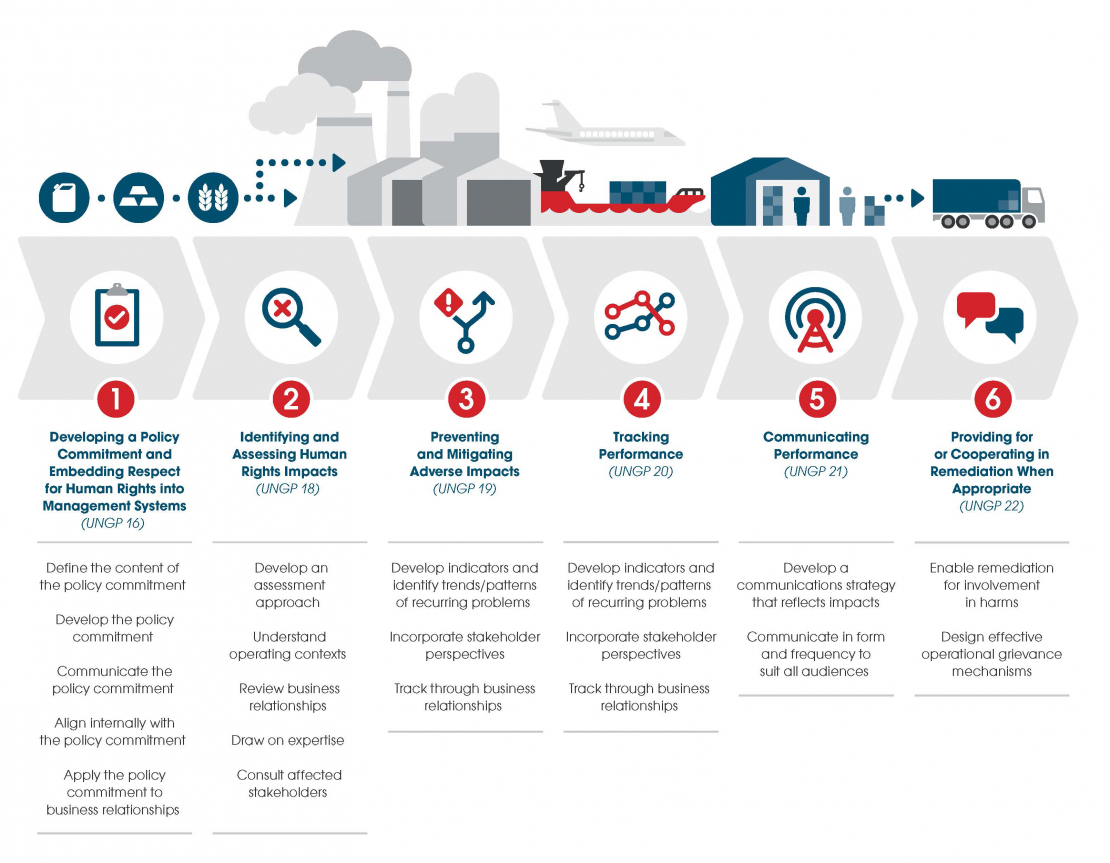
Where a company identifies that it has caused or contributed to adverse impacts, the responsibility to respect human rights requires active engagement in remediation, by itself or in cooperation with other actors.
Remediation is the process of providing remedy. Remedies can take various forms including apologies, provisions to ensure the harm cannot recur, restitution or rehabilitation, financial or non-financial compensation, or punitive sanctions (whether criminal or administrative - UNGP 25 commentary - see box).
Putting in place a system for remediation shows awareness that negative human rights impacts may occur despite best efforts to avoid them and shows readiness to respond quickly and effectively:
UNGP 22 Principle
Where business enterprises identify that they have caused or contributed to adverse impacts, they should provide for or cooperate in their remediation through legitimate processes.
Key Actions
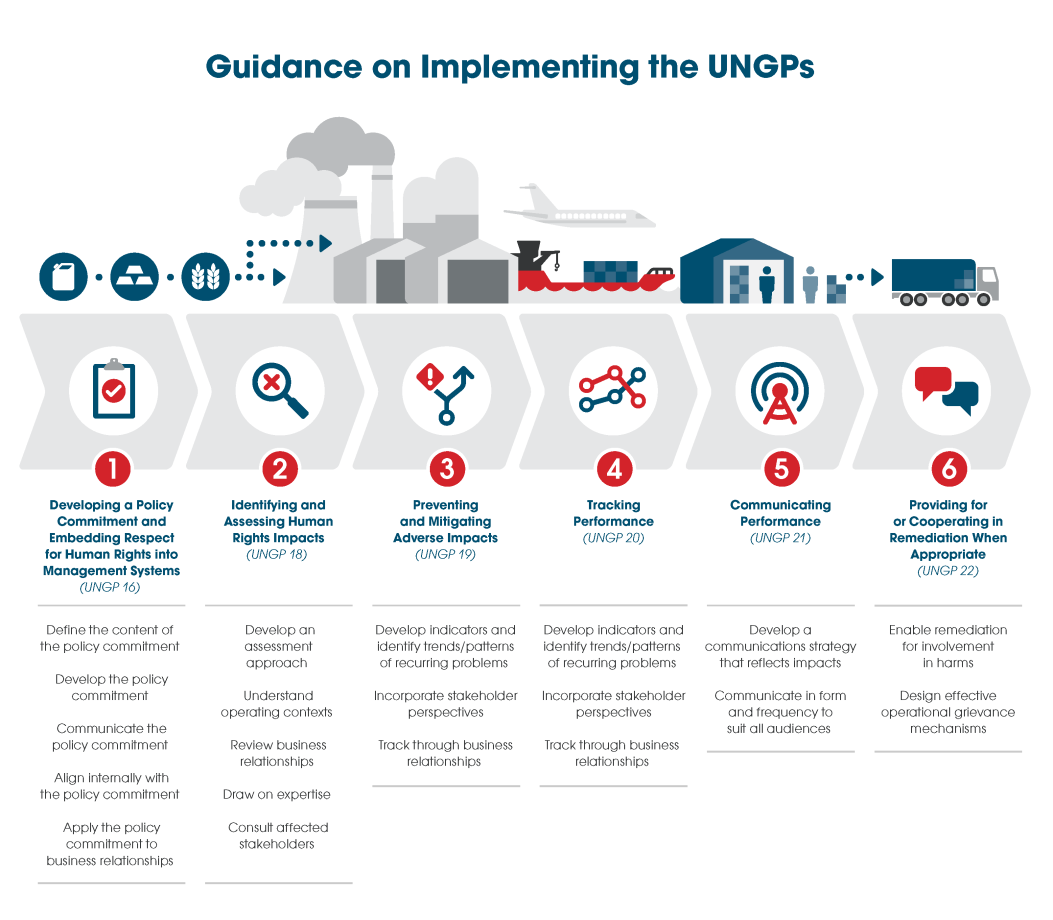
The following actions should be considered by companies that act to provide for or cooperate in remediation:
UNGP 25 Commentary
...Remedy may include apologies, restitution, rehabilitation, financial or non-financial compensation and punitive sanctions (whether criminal or administrative, such as fines), as well as the prevention of harm through, for example, injunctions or guarantees of non-repetition...